Red, Itchy or Bumpy After Halloween? Face-Paint Rash vs. Breakout
ROW 89 Team • October 31, 2026 • 7 min read
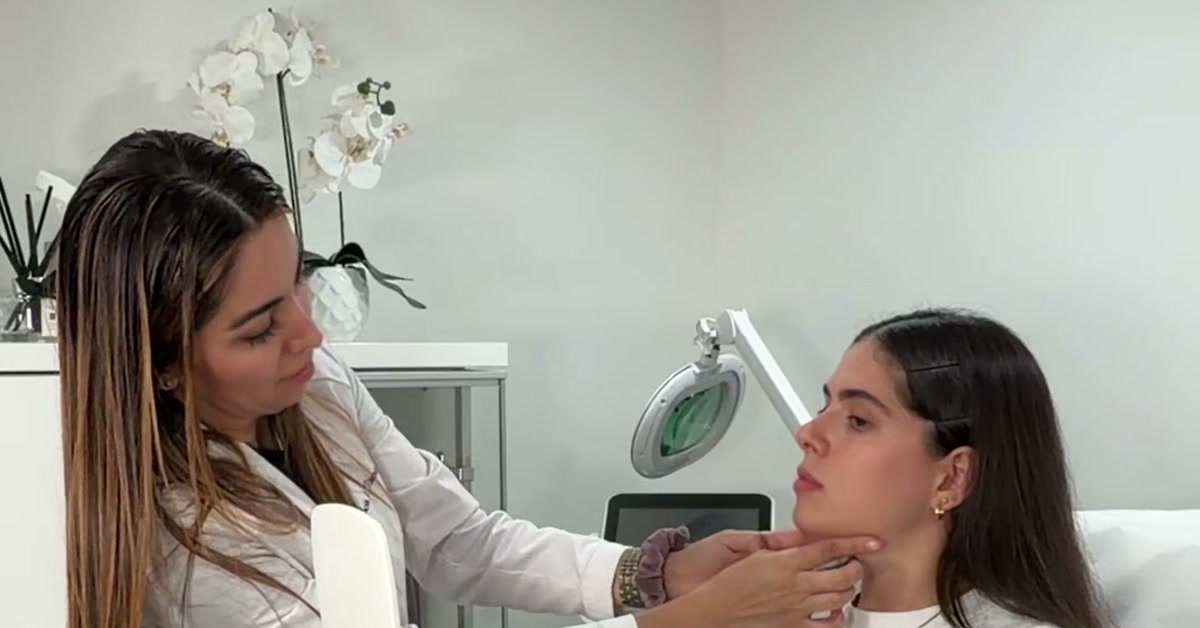
It's the morning after Halloween in Yorkville. The costume is back in the closet, the paint came off last night, and the face in the mirror isn't quite right: pink and tight across the cheeks, itchy along the jaw, or dotted with new bumps by the chin. A red, itchy or bumpy face after face paint could be simple irritation, an allergic reaction to face paint or a plain breakout, and each one calls for something different. Here's how they usually compare.
Quick answer: face-paint rash or breakout?
- Irritation often shows up within minutes to hours as pink, tight or stinging skin, especially where you scrubbed, and often calms within a few days.
- An allergic reaction (allergic contact dermatitis) often starts with itching, then a red rash, sometimes with swelling or blisters. It can appear hours or days after the paint touched your skin. Stop using the product.
- A breakout looks like small bumps, whiteheads or pimples, usually without much itch, and can take days or longer to show up.
- Get emergency care right away for trouble breathing or swallowing, or swelling of your lips, mouth or eyes.
This article is for general education and isn't medical advice. It can't tell you what your skin has; a doctor or board-certified dermatologist can.
Face-paint rash, irritation or breakout: how they usually compare
| Irritation | Allergic reaction | Breakout | |
|---|---|---|---|
| What it often looks like | Pink or red, tight, sometimes flaky, where paint sat or you rubbed | Red, itchy rash, sometimes swollen, bumpy or blistered; eyelids are a common spot | Small bumps, whiteheads or pimples, often on the cheeks, chin or forehead |
| How it feels | Stinging, burning or tight | Itchy, often intensely | Tender, or not much at all |
| When it tends to show up | Minutes to hours after paint, remover or scrubbing | Hours to days after contact | A few days to weeks later |
| What to do at home | Gentle cleanser, plain moisturizer, hands off | Stop the product, cool compresses, no scratching | Gentle cleansing, non-comedogenic products, no picking |
You can have irritation and a breakout at once, and on darker skin tones a rash may look purple, brown or gray rather than red. If you can't tell, be gentle and ask a doctor.
Why face paint can cause a reaction
Costume makeup sits on your skin for hours, then comes off with removers and rubbing. The FDA lists fragrance, some preservatives, dyes, nickel and latex among common cosmetic allergens, and says reactions "most often appear as itchy, red rashes on the skin." University of Miami dermatologist Dr. Shasa Hu warns that anyone allergic to "nickel, chromium, adhesives, or fragrances" needs to be careful, and the same guide notes that special removers add "another potential irritant."
How long does a makeup allergic reaction last?
It varies. Cleveland Clinic says a contact dermatitis rash "can last for a few days to a couple of weeks," and the AAD notes that "the longer you have contact dermatitis, the longer it will take to clear." Breakouts run on a slower clock: according to the AAD, blemishes from makeup can take "anywhere from a few days to 6 months" to appear, and 4 to 8 weeks to improve with treatment.
When to see a doctor or dermatologist
- Emergency care, right away: trouble breathing or swallowing, or swelling of your lips, mouth or eyes. Call 911 or go to the nearest emergency room.
- A doctor or board-certified dermatologist, promptly: a rash that blisters or turns raw, spreads quickly, is painful, involves your eyes, lips or mouth, or comes with a fever. The same goes for signs of infection like pus, yellow crusts, warmth or swelling (from the AAD's rash warning signs).
- A regular appointment: a rash that isn't improving after about a week or keeps coming back. A dermatologist can use patch testing to find what's causing it.
- An eye doctor: an eye that stays red, painful, watery or blurry after paint or glitter got into it. For children, start with your pediatrician.
Gentle care while your skin settles
- Stop using the suspect paint, glue or remover, and keep the package to show a doctor.
- Rinse gently with lukewarm water and a mild, fragrance-free cleanser, then pat dry and apply a plain, fragrance-free moisturizer you've used before without trouble.
- Cool it down. For itch, the AAD suggests a cool compress: "run cold water over a clean towel" and hold it on the area.
- Don't scratch or pick. Scratching tends to make a rash worse.
- Pause retinoids, acids, scrubs, new products and makeup on the area until it's calm.
- Ask before medicating. The AAD lists 1% hydrocortisone, calamine lotion and cool oatmeal baths for itchy contact dermatitis; check with a pharmacist or doctor before using a medicated cream on your face, near your eyes or on a child.
You can also report a bad reaction to the FDA. Before next year, test anything new: the FDA suggests trying "a dab of it on your arm for a couple of days to check for an allergic reaction." Our Upper East Side Halloween guide has a beauty countdown to fit that in.
If it's a breakout instead
New bumps without much itch are more likely a breakout. Pore-clogging makeup can cause acne cosmetica, which the AAD describes as "many tiny bumps" that "usually appear on the cheeks, chin, or forehead." Wash gently twice a day, choose products labeled non-comedogenic or "won't clog pores," and don't pop anything. Blaming the candy bowl instead? Here's what dermatologists say about Halloween candy and breakouts. And for next time, our guide to removing Halloween makeup gently goes product by product.
When a calm-skin facial makes sense
A facial isn't a treatment for a rash, an allergic reaction or dermatitis, and we don't treat those at ROW 89. Wait until your skin has fully settled, with no rash, itch, swelling, rawness or open spots, and follow your doctor's advice if you saw one. When you book, tell your esthetician what you reacted to.
- HydraPure Facial ($139, 60 min): a hydrating facial for skin that feels dry or tight once it's calm.
- Ultra-Hydrating Glow Facial ($148, 80 min): a longer hydrating facial for dry, tight or winter-stressed skin.
See the full facial menu, or our pore cleansing facials for congested skin. For breakouts that keep coming, our Clear Skin Acne Program ($795) starts with a free 15-minute acne consult with Rocio Romero, PA-C. Not sure which acne treatment fits you? Text us at (917) 554-1005. Medical treatments are provided through ROW 89 Aesthetics PLLC.
Visit ROW 89 on East 89th Street
ROW 89 is at 219A East 89th Street, between Second and Third Avenues, on the Upper East Side in Yorkville, a short walk from Carnegie Hill and Museum Mile. We're about five minutes from the 86th Street Q station and about ten from the 86th Street 4/5/6. Facials are on the second floor, and we're open 10am–8pm every day. Book online or call (212) 722-1959.
Frequently asked questions
What does an allergic reaction to face paint look like?
It often starts with itching, then a red rash where the paint, glue or remover touched, sometimes with swelling or blisters, hours or days later. Swelling of your lips, mouth or eyes, or trouble breathing, needs emergency care right away.
How long does a makeup allergic reaction last?
Often a few days to a couple of weeks, according to Cleveland Clinic, and longer if you keep using the product. See a doctor if it isn't improving after about a week, or if it blisters, spreads or involves your eyes.
Does face paint cause breakouts?
It can. Heavy, pore-clogging makeup can lead to acne cosmetica: small bumps and whiteheads that the AAD says can take a few days to 6 months to appear. Remove paint the same night and choose non-comedogenic products.
Can I wear makeup over a face-paint rash?
Skip makeup on the area until the rash has cleared, so you don't add more ingredients to irritated skin. Ask your doctor when it's safe to start again.
Can a facial help a face-paint rash?
No. A facial isn't a treatment for a rash, allergic reaction or dermatitis. Wait until your skin has fully settled, and check with your doctor first if you had a reaction. After that, a gentle hydrating facial can help dry or tight skin feel comfortable.
Sources
- American Academy of Dermatology: Contact dermatitis overview
- American Academy of Dermatology: Contact dermatitis tips for managing
- American Academy of Dermatology: Patch testing can find what's causing your rash
- American Academy of Dermatology: Signs your rash needs medical attention
- American Academy of Dermatology: I have acne! Is it okay to wear makeup?
- U.S. Food and Drug Administration: Allergens in Cosmetics
- U.S. Food and Drug Administration: Novelty Makeup
- Cleveland Clinic: Contact dermatitis
- University of Miami Health: Halloween face paint and cosmetics, a safety guide