Does Halloween Candy Really Cause Breakouts? What Dermatologists Say, Plus a 7-Day Candy-Bowl Skin Reset
ROW 89 Team • October 31, 2026 • 7 min read
November 1 on the Upper East Side: the fake cobwebs are still up on Carnegie Hill stoops, there's a bowl of leftover candy by your door, and a new pimple just showed up on your chin. The candy gets the blame. Is that fair? Sometimes a little, but sugar is rarely the whole story. Here's what dermatologists and the research say, plus a simple 7-day reset that doesn't mean tossing every last peanut butter cup.
Quick answer: does sugar cause acne?
Not on its own, but it may play a part for some people.
- Sugar and fast carbs: studies link high-glycemic diets (candy, sugary drinks, white bread) with more acne, and small trials found less acne on a low-glycemic diet. The effect looks modest.
- Dairy: cow's milk, including skim, has been linked to acne in large studies.
- Chocolate: the evidence is mixed and comes from small studies.
- Often bigger factors: hormones, clogged pores, stress, picking and sleeping in makeup.
This article is for general education and isn't medical advice. For painful, deep or scarring acne, see a board-certified dermatologist.
What the research says about sugar and acne
Most of the research is about high-glycemic foods, the fast-digesting carbs that spike blood sugar. "We know eating foods that spike your glucose, or blood sugar, can make you more likely to get a pimple," says Cleveland Clinic dermatologist Dr. Jennifer Lucas.
The American Academy of Dermatology (AAD) is more cautious: small studies suggest a low-glycemic diet "may reduce the amount of acne you have," but "other studies have not found a connection." In one randomized trial, 43 young men on a low-glycemic-load diet for 12 weeks had less acne, though weight loss may have played a part. A 2022 systematic review called the effect "modest yet significant," and in a JAMA Dermatology study of 24,452 French adults, sugary drinks, fatty and sugary products, and milk were associated with acne. Associated, not proven to cause.
Does chocolate cause acne? And what about milk?
Chocolate's case isn't settled. Cleveland Clinic says "chocolate isn't directly linked to acne," while a small double-blind study of 14 acne-prone men who took unsweetened cocoa capsules saw more acne lesions afterward; its authors noted "significant limitations." Most Halloween chocolate is also sugar and milk, so it's hard to single out.
Milk has more consistent findings. The AAD says "all types of cow's milk (whole, low-fat, and skim) have been linked to acne," and a 2018 meta-analysis of 78,529 young people linked dairy to higher odds of acne, with a caution that the studies varied. Cleveland Clinic also lists whey protein among foods some studies link to acne.
Stress, sleep and your hands matter, too
When you're stressed, "your body releases hormones that increase the amount of oil your skin makes," the AAD explains. A small study of university students found acne worsened during exams, and the link to stress held after accounting for sleep and diet. Stressful weeks tend to mean short nights, so protect your sleep, too.
And watch your hands: "Touching your face throughout the day can cause acne to flare," the AAD says. Sleeping in makeup doesn't help either; here's how to remove Halloween makeup gently. If the bumps itch, it may not be acne at all: our face-paint rash vs. breakout guide explains the difference.
Where do sugar breakouts happen? The face-mapping myth
Online face maps often assign a "sugar zone" to the forehead, chin or mouth. There's no good evidence that sugar breakouts land in one spot. "Most dermatologists don't physically 'map' people," says Cleveland Clinic dermatologist Dr. Amy Kassouf, though location can be a clue:
- Chin and jawline: often tied to hormones.
- Forehead and nose: bigger pores and oil glands mean more blackheads and whiteheads.
- Hairline: waxy hair products can build up there.
- Cheeks: phones, makeup brushes and pillowcases can play a part.
No zone, including the skin around your mouth, is a reliable readout of what you ate.
Glycation: the long game, not tomorrow's pimple
"Glycation skin" is a separate topic. Sugars can bind to and cross-link the collagen and elastin in your skin, forming advanced glycation end products (AGEs). A review in Clinics in Dermatology explains that this speeds up "when sugar is elevated" and "is further stimulated by ultraviolet light in the skin." That's about how skin ages over years, not one week of candy, and it's one more reason for daily sunscreen.
The 7-day candy-bowl skin reset
These are habits, not a diet or medical advice. You don't have to give up candy; just keep it from running your week.
- Day 1: Edit the bowl. Keep a few favorites, share or freeze the rest, and move the bowl out of sight.
- Day 2: Have sweets with a meal. Pairing them with protein and fiber may soften the blood-sugar spike compared with grazing on an empty stomach.
- Day 3: Swap one sugary drink for water or seltzer.
- Day 4: Hands off. Wipe down your phone, change your pillowcase and don't pop anything.
- Day 5: Protect your sleep. Pick a bedtime and put screens away for the last half hour.
- Day 6: Unwind on foot. A 20-minute loop through Carl Schurz Park is an easy way to decompress.
- Day 7: Keep it simple and check in. Gentle cleanser twice a day and after sweating, a non-comedogenic moisturizer and sunscreen. If breakouts keep coming after a few weeks, get help (see below).
Treat-bag swap ideas
- Trade a few fun-size bars for clementines, apple slices or pears.
- Keep nuts or roasted chickpeas handy for the afternoon slump.
- Pick the one or two pieces you love most and enjoy them after dinner, instead of grabbing a handful.
- Next year, mix non-candy treats into the bowl: stickers, glow sticks, pencils or bubbles.
Planning ahead? Our Upper East Side Halloween guide has a beauty countdown for the weeks before the big night.
When to get help
See a board-certified dermatologist for acne that's painful, deep or cystic, leaves scars or dark marks, appears suddenly as an adult, or starts after a new medication. For everyday breakouts and clogged pores, ROW 89 can help:
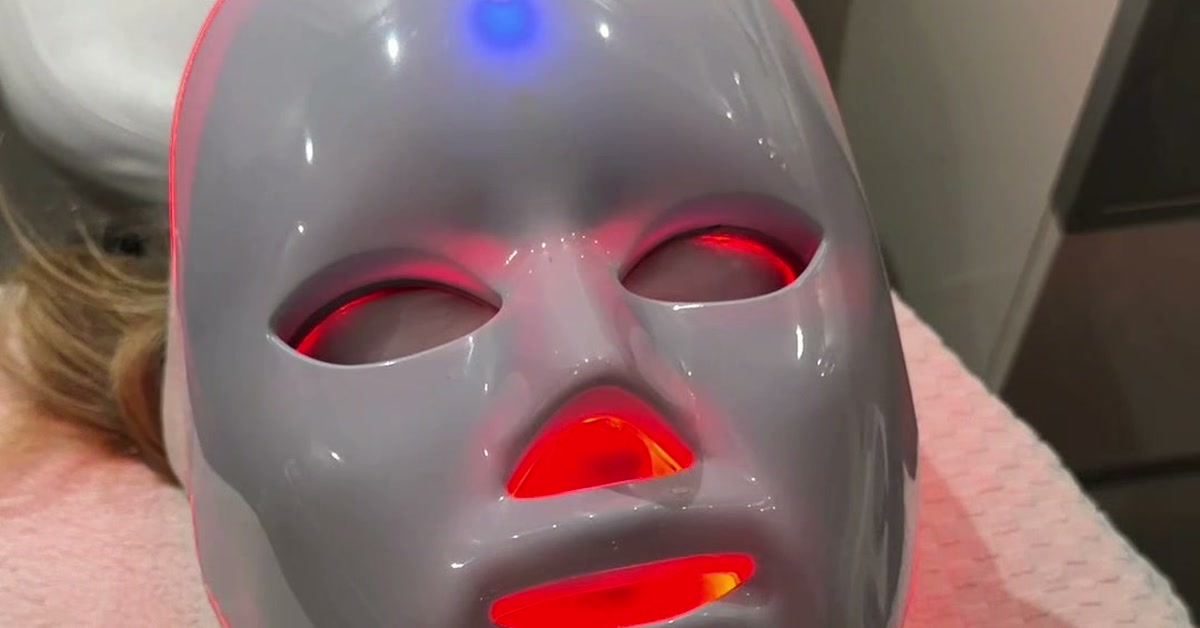
- Clear Skin Acne Program ($795): three acne facials and three mandelic peels with LED light therapy, plus a progress check with Rocio Romero, PA-C. It starts with a free 15-minute acne consult; request one through Booker or text (917) 554-1005. Medical treatments are provided through ROW 89 Aesthetics PLLC.
- Advanced Pore Cleansing Facial ($89, 60 min): cleansing and extractions for congested skin and blackheads. New to ROW 89? Your first one is $79 with code FIRSTVISIT through December 31. Compare it with the Deep Pore Cleansing Facial on our pore cleansing facial page, or see the full facial menu.
An acne facial on the Upper East Side
ROW 89 is at 219A East 89th Street, between Second and Third Avenues, in Yorkville and a short walk east of Carnegie Hill and Museum Mile. We're about five minutes from the 86th Street Q station and about ten from the 86th Street 4/5/6. Facials are on the second floor, and we're open 10am–8pm every day. Book online or call (212) 722-1959.
Frequently asked questions
Does sugar cause acne?
Not on its own, but it may contribute for some people. Studies link high-glycemic diets, including candy and sugary drinks, with more acne. Hormones, clogged pores and stress often matter more.
Does chocolate cause acne?
The evidence is mixed. Cleveland Clinic says chocolate isn't directly linked to acne, while a small study of acne-prone men found more acne lesions after unsweetened cocoa. Most candy chocolate also contains sugar and milk.
Where do sugar breakouts happen on your face?
There's no good evidence that sugar causes breakouts in a particular zone. Chin and jawline breakouts are more often tied to hormones, but location alone can't tell you what caused a pimple.
What is glycation in skin?
Glycation is when sugars bind to collagen and elastin, forming advanced glycation end products (AGEs). It's linked to how skin ages over years, not to overnight pimples.
Will cutting out sugar clear my acne?
Probably not by itself. The AAD says keeping skin clear requires more than a diet change. Gentle skin care, hands off your face and, when needed, professional or medical treatment usually matter more.
Sources
- American Academy of Dermatology: Can the right diet get rid of acne?
- American Academy of Dermatology: Acne, tips for managing
- American Academy of Dermatology: 6 skin and hair conditions linked to stress
- Cleveland Clinic: Acne
- Cleveland Clinic Newsroom: Can chocolate make your skin break out? (October 21, 2024)
- Cleveland Clinic Health Essentials: What it means when acne is on certain areas of your face
- Smith RN, et al. A low-glycemic-load diet improves symptoms in acne vulgaris patients: a randomized controlled trial. Am J Clin Nutr. 2007
- Meixiong J, et al. Diet and acne: a systematic review. JAAD Int. 2022
- Penso L, et al. Association between adult acne and dietary behaviors: NutriNet-Santé prospective cohort study. JAMA Dermatol. 2020
- Juhl CR, et al. Dairy intake and acne vulgaris: a systematic review and meta-analysis of 78,529 children, adolescents, and young adults. Nutrients. 2018
- Caperton C, et al. Double-blind, placebo-controlled study assessing the effect of chocolate consumption in subjects with a history of acne vulgaris. J Clin Aesthet Dermatol. 2014
- Chiu A, et al. The response of skin disease to stress: changes in the severity of acne vulgaris as affected by examination stress. Arch Dermatol. 2003
- Danby FW. Nutrition and aging skin: sugar and glycation. Clin Dermatol. 2010