Read This Before You Get a Russian Manicure
ROW 89 Team • October 19, 2026 • 8 min read
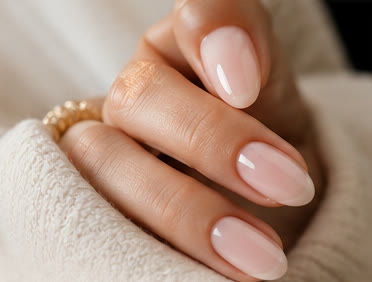
The Russian manicure promises clean cuticle lines, polish that sits right at the base of the nail and weeks of wear. Before you book one, on the Upper East Side or anywhere in New York, here is what to know about the technique, the cuticle question, the cost and the alternatives.
You leave the salon with glossy gel nails, and a few days later the cuticles look ragged and the regrowth line is already showing. That is the problem the Russian manicure claims to solve. Photos of it are everywhere: symmetrical shapes, milky pinks, color that seems to start exactly where the skin ends. The finish is beautiful. The real question is what it takes to get there, and what that means for your nails after the polish comes off.
A quick note before we start: ROW 89 does not offer Russian manicures. We wrote this guide because clients in Yorkville, Carnegie Hill and across the UES ask about them, and we would rather you book anywhere with the right questions in hand. At the end, we explain how to get a similarly clean look without cutting into the cuticle.
What is a Russian manicure?
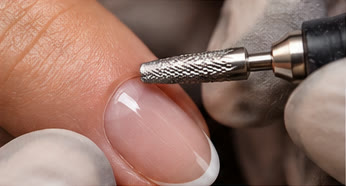
A Russian manicure is defined by its preparation, not by a type of polish:
- It is usually a dry service. The hands are not soaked before the nails and cuticle area are prepared.
- An electric file (e-file) does the detail work. Small rotating bits clean the nail plate and the skin around it; some technicians also use scissors or nippers.
- Color goes on very close to the base of the nail. Combined with careful shaping, that creates the seamless look, and symmetrical shapes can make fingers look longer.
- The finish varies. It can be regular polish, gel, builder gel or hard gel, depending on the salon.
One distinction matters: a dry manicure is not automatically a Russian manicure. Removing loose, dead skin that sits on the nail plate is different from cutting or filing away the living cuticle seal around the nail. That difference is where most of the debate comes from.
Why people love it
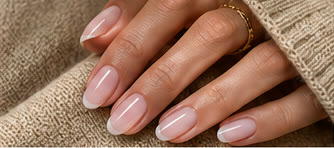
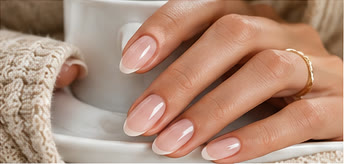
The appeal is quiet luxury. Sheer pink, nude and milky white shades, short ovals and micro-French tips look polished with jewelry and tailored clothes, and the long, unhurried appointment feels like a treat. For busy schedules, a manicure that still looks neat after work trips and family weekends can mean fewer salon visits, and neutral shades make the grow-out line less obvious.
One widely shared account came from a beauty writer at Coveteur, who had been getting monthly gel manicures but kept seeing dry cuticles and hangnails within a week. After a roughly 90-minute Russian manicure with structured gel in sheer pink with a milky French tip, she reported a cleaner look and longer wear than she was used to. That is one person's experience, not a study. A tidy result on day one does not tell you anything about long-term nail health.
Russian manicure vs. gel manicure
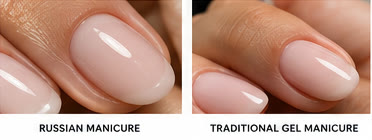
| Russian manicure | Traditional gel manicure | |
|---|---|---|
| Preparation | Usually dry, detailed e-file work | Dry or with a soak |
| Cuticle work | Often extensive | Usually lighter, but varies by salon |
| Finish | Color placed very close to the base | Smooth standard application |
| Typical appointment | Often 90–120 minutes | Often 30–60 minutes |
| Wear salons often promote | 3–4 weeks | 2–3 weeks |
| Main concerns | Cuticle disruption, overfiling | Removal damage, overfiling, cuticle cutting |
Wear times are estimates, not guarantees. The gel product and the technician's skill likely explain much of the difference in how long a manicure lasts.
The cuticle question
The cuticle is not just extra skin. It helps seal the gap between the nail and the surrounding skin, which keeps out irritants and germs. The American Academy of Dermatology advises against cutting cuticles for that reason, and has cautioned about social media beauty trends that look good on camera but can harm skin and nails.
Possible problems when the cuticle area is overworked include:
- Paronychia, an infection around the nail: tenderness, swelling, redness and sometimes pus.
- Thin or splitting nails from repeated heavy filing.
- Temporary changes in how the nail grows if the skin around it is injured or inflamed.
- Allergic reactions to acrylates and methacrylates found in some gel products (see the FDA on nail care products).
None of this means every Russian manicure causes harm, and there is no good data on how often problems happen. But a skilled technician and clean tools cannot fully remove the risk that comes with breaking the cuticle seal.
Looking for a Russian manicure on the Upper East Side? Ask these 7 questions first
- Are you licensed, and are you specifically trained in e-file preparation?
- Do you remove the living cuticle, or only loose dead skin on the nail?
- How are reusable tools disinfected, and are files and buffers single-use?
- Will you change or skip the service if my skin is irritated or cut?
- Which gel will you use: builder gel, hard gel or soak-off gel?
- How will it be maintained and removed without overfiling my nails?
- What is the full cost, including removal, repairs, nail art and tip?
In New York, nail specialists must be licensed by the New York State Department of State, and the license should be on display. A good-looking Instagram feed is not proof of clean tools. Whether you are in Lenox Hill, Yorkville, Carnegie Hill or near the 86th Street Q, 4, 5 and 6 trains, ask before you sit down.
Builder gel vs. hard gel
Builder gel describes how a gel is used: to add structure, a curve or an overlay. Some builder gels soak off in acetone; others do not. Hard gel generally does not dissolve in acetone and has to be filed off by a professional. Either can make the coating durable, but neither permanently strengthens your natural nail.
The takeaway: "Russian manicure" describes the prep, while builder or hard gel describes the product. Much of the long wear people love may come from a well-applied structured gel rather than from extensive cuticle work.
How long does it last?
Three to four weeks is the common claim. Real wear depends on how fast your nails grow, how you use your hands, the product and the application. Book maintenance earlier if you see lifting, cracks or a shift in balance as the nail grows out. Never pick off lifted gel; have it repaired or professionally removed. Ask your technician what interval they recommend for your product and length.
What does it cost, and is it worth it?
Russian manicures usually cost more because the appointment is longer, the prep is more detailed and the tools and products are specialized. Prices vary widely by salon, so ask for the full price before booking. The fairest comparison is cost per week of wear, including removal, fills, repairs, art and tip.
| Service | Price | Typical wear | Cost per week |
|---|---|---|---|
| Color gel manicure at ROW 89 (45 min) | $49 | About 2–3 weeks | About $16–25 |
| Russian manicure (varies by salon) | Ask the salon | Often promoted as 3–4 weeks | Price ÷ weeks of wear |
Who should be cautious
The look suits people who like precise, understated nails and do not mind a long appointment. Take extra care, or skip aggressive cuticle work, if you have:
- An active infection, cracked cuticles, repeated paronychia or unexplained nail changes.
- A known gel or acrylate allergy, eczema, psoriasis or already damaged nails.
- Diabetes, poor circulation, slow healing or a weakened immune system. Talk to your doctor before any nail service that could break the skin.
Nails and the skin around them also tend to get drier and more fragile with age, and frequent handwashing makes that worse. Gentle prep and moisture help more than aggressive trimming.
Aftercare
- Use cuticle oil or a plain moisturizer every day, especially after washing your hands, and a richer hand cream at night.
- Wear gloves for cleaning and long stretches of wet work.
- Do not pry, peel, cut or scrape gel off. Follow the product's removal method with a trained professional.
- See a doctor promptly for increasing pain, swelling, drainage or a new change in the shape of the nail, and never cover a suspected infection with a fresh gel manicure.
Getting the look without cutting the cuticle
A polished, expensive-looking manicure does not require giving up your cuticle barrier. Ask for careful dry prep that leaves the living cuticle in place, symmetrical shaping and precise polish application close to, but not under, the cuticle. For a quiet finish, try short oval or soft-square nails in sheer pink or milky white, with a moisturizing hand treatment.
That is the approach at ROW 89 Nails & Lashes on the first floor of 219A East 89th Street, between Second and Third Avenues on the Upper East Side. Our menu includes the color gel manicure ($49), color gel French manicure ($59) and ANC powder gel manicure ($61). See every price on our manicure and pedicure page or book online. We are open 10am–8pm daily, a short walk from Yorkville and Carnegie Hill and about five minutes from the 86th Street subway.
Russian manicure FAQs
Is a Russian manicure painful?
It should not be. Burning, sharp pain or bleeding are reasons to stop the service.
Can it damage your nails?
Yes, especially through heavy cuticle removal, overfiling or improper gel removal.
Is it healthier than a gel manicure?
There is no clear clinical evidence that it is.
Does it make nails grow faster?
There is no convincing evidence that it does.
Will it stop hangnails?
It can make hands look neater right away, but it does not treat the cause. Moisturizing and less irritation are safer first steps.
Does it work on short nails?
Yes, though short nails do not remove the cuticle-related risks.
Is it sanitary?
That depends on the salon. Proper disinfection lowers the risk of contamination but cannot remove the risk of injuring the skin.
Is a dry manicure the same thing?
No. Dry prep does not have to involve removing the living cuticle.
Does ROW 89 offer Russian manicures?
No. We offer color gel, gel French and ANC powder gel manicures with careful prep that keeps the cuticle seal in place. Call (212) 722-1959 if you want help choosing.
The bottom line
The Russian manicure finish is undeniably chic, and the promise of long wear is appealing. But beautiful nails are worth investing in, and healthy nails are worth protecting. Before you book, ask about licensing, tools, products, aftercare and, above all, how your cuticle will be treated.